viernes, 12 de junio de 2020

AGENDA 2030 (SDG)

In the first year, in year one of our era, we were more or less 188 million people in the world, but at that time and to reach 1800, the population grew by 1,000 million, also a significant number. But from 1800 to 1950 the population multiplied by 2.5, and from 1950 until today it tripled in just 78 years. Between year one and 1800 it is calculated that the growth of the economy was equal to that of the population. Later, between 1800 and 1950, the economy grew 140 times, it no longer grew at the same rate as the population. According to figures from the Madison project; also known as the Maddison Historical Statistics Project, it is a project to collect historical economic statistics such as GDP, GDP per capita and labor productivity.
And, according to Rosario Ortiz, between 1900 and 1950, that is, in just 50 years, the economy grew in size three times. Around 7.7 billion people live in the world, according to the latest United Nations estimates, and projections indicate that the number will continue to grow by approximately 2 billion more by 2050. (BBC News World, 2019)
Las empresas deben acelerar la integración de los ODS para lograr ...
With the context of the total population, and from a summary of its history, we come to have a clearer picture of how it has grown and therefore industrialization, which has been a factor for climate change in the world, is additionally understood because the degree of contamination of water resources among others. The Sustainable Development Goals The 17 Goals of the Agenda were elaborated in more than two years of public consultations, interaction with civil society and negotiations between countries. Creating the 2030 agenda for Sustainable Development and was adopted by the UN, an action plan in favor of people, the planet and prosperity, which also intends to strengthen universal peace and access to justice.
The UN Secretary General called for all sectors of society to mobilize for a decade of action at three levels: global action to ensure greater leadership, more resources and smarter solutions to Sustainable Development Goals; action at the local level that includes the necessary transitions in the policies, budgets, institutions and regulatory frameworks of governments, cities and local authorities; and action by individuals, including youth, civil society, the media, the private sector, unions, academia and other stakeholders, to generate an unstoppable movement to drive the necessary transformations.

More information:
Sustainable Development Goals Report, 2019, UN

COLOMBIA & NATURAL PARKS

Thanks to its geographical condition, Colombia is among the 12 countries with the greatest variety of live animal species and the first in birds and amphibians, and is also one of the richest in fauna and culture worldwide.
Euphonia laniirostris, Camilo Dumar
For this reason, there is the National System of Protected Areas (SNAP), which highlights the System of National Natural Parks (SPNN), which seeks to protect spaces and prevent damage to industries or people engaged in illegal trafficking of wild species; Protecting 56 natural parks, Colombia ensures that the country's natural resources are cared for and maintained in order.
In Colombia, to date (2016) we have 54,871 registered species, with 3,625 exclusive species, 66 birds, 1,500 plants, 367 endemic amphibians (unique in Colombia), 115 reptiles, 34 mammals, and 1,543 orchids, with 7,432 vertebrate species: 479 mammals, 1,889 birds, 571 reptiles, 803 amphibians, 2,000 marine fish, 1,533 freshwater fish and 197 migratory birds, we have 30,436 plant species, we have 32 terrestrial biomes and 314 types of ecosystems. (Minciencias, 2016).
Mionectes oleagineus, Daniela Fayad
Along the Caribbean coast mangroves and coconut trees grow, and 51 million intermediate elevations are covered by forests, where commercially usable trees such as: mahogany, rosewood, oak, walnut, cedar, pine and some varieties of balsam are found. . Tropical plants also produce rubber (gum), chewing gum, cinchona, vanilla, sarsaparilla, ginger. (Colombia.com)
The Reserve area and its surroundings are home to a very important sum of threatened species, or species that are in danger of extinction due to deforestation of their habitats. Among them are several endemics, such as the Mico Tití (Saguinus leucopus), the birds Paujil (Crax alberti), Torito (Capito hypoleucus) and flytrap (Phylloscartes lanyoni), and the species of fish Bocachico (Prochilodus magdalenae) and Pataló (Ichthyoelephas longirostris). During the 20th century, due to indiscriminate hunting, several large mammals such as the jaguar (Panthera onca) and the tapir (Tapirus terrestris colombianus) became extinct in the region. Rio Claro- Nature Reserve, 2016
Floristic elements from southern North America, Central America, the Chocó phytogeographic region, Guayana and Amazonia converge in this region. In addition, some generic intercontinental disjunctions are presented, such as the genus Caryodaphnopsis of the Lauraceae, of which there are two endemic species in the Claro river canyon. Bud, 2013
National Natural Parks of Colombia (PNN) announced that 32% of the country's biodiversity is found in national natural parks. Of the species housed in this area, 383 are threatened.

more information: 

sábado, 21 de marzo de 2020

COVID19 VS AIR POLLUTION

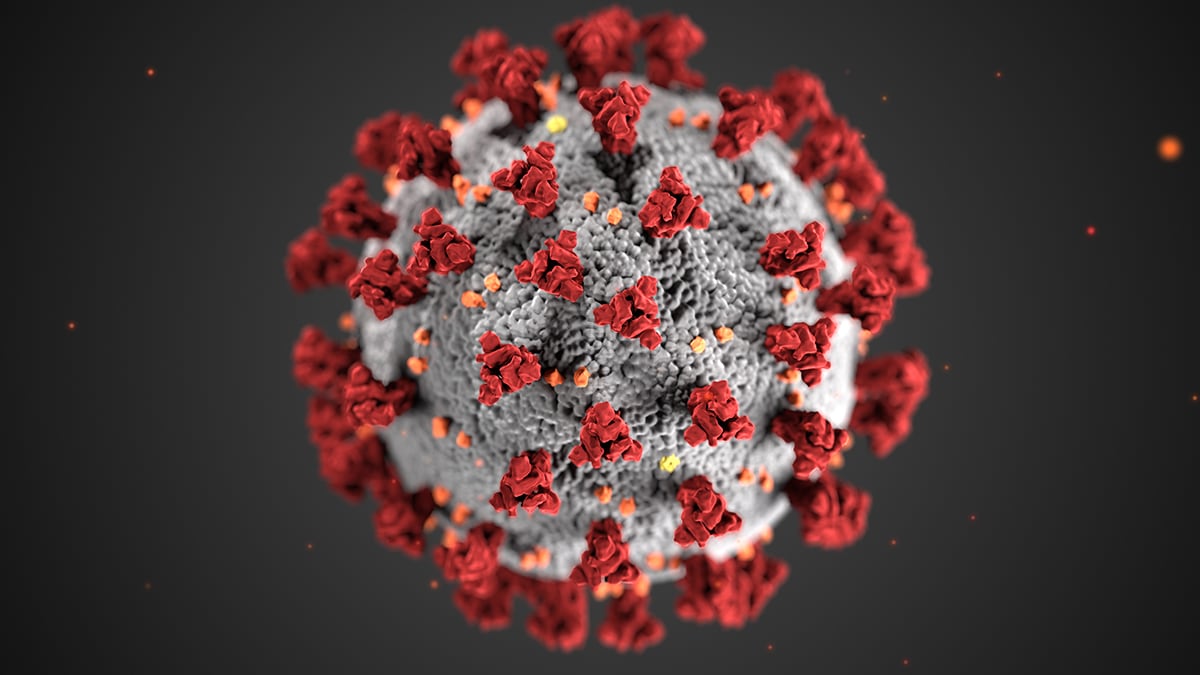
In mid-December 2019, a citizen of Wuhan, China decides to buy a bat and cook it. Making way for a virus also known as coronavirus, which generates COVID-19 disease. It is well known that bats are carriers of viruses and bacteria that do not affect them at all, but if that virus is transmitted to another living being, it can directly affect it as it has been the case of Rabies (although not all bats can transmit it), Acute pulmonary histoplasmosis that is transmitted by a fungus that grows thanks to the stool of bats and birds, among other diseases.
Densidad media troposférica de NO2. Imagen y crédito: NASA/ESA
As is well known by many, COVID-19 has sickened 300,000 people worldwide with a mortality rate of approximately 4.24% (coronavirus app), creating concern for millions of people, since it is a disease that spreads easily. Keep in mind that the virus has a life of 3 hours in the air, and 24 hours on steel and plastic, making it of greater concern and it is suggested to be washing hands and products that are purchased in stores, in addition to washing our clothes we immediately get home.

The mortality rate and its easy contagion has led the governments of several countries to carry out mandatory quarantines, reducing the work of the industrialist, reducing the number of vehicles on the streets and the presence of humans, and as a positive impact has been presented a reduction of NO2 which indicates that air quality is improving remarkably in various parts of the world, but it is not the only positive, in several cities such as Barcelona or Venice there are reports of wild animals and fish, which due to the presence of humans they did not pass through there.

Resultado de imagen para covid19
Center For Disease Control. cdc.gov/covid19
Although all this is news that cheers, the scientists are concerned and assure that a rebound effect may be generated since it would increase GHGs in high percentages, as happened in 2008 after the financial collapse where emissions fell by 1.4% and just one year later they rose to 5.4%. Canandell recalls that world GDP and greenhouse gases are still strongly linked, this is because when presenting a financial fracture like the one that has been witnessed these days in the stock markets, when humanity recovers from the pandemic, industries and everything type of economic activity that exists in a country, in addition to more than returning to normal production, they increase to meet the demand generated during the virus crisis.

More informatión:

jueves, 19 de marzo de 2020

FRAKING, MEANING


In order to have a clear position on whether or not fracking is good, you have to understand what that means and what is done when it is practiced.

Resultado de imagen para petroleo
inteligenciapetrolera.com.co

The fraking or also called "hydraulic fracture", allows the extraction of gases and oil, or also of what they call "shale", being this gas from a mosquito. This practice is implemented to cover the energy demands that the world of today asks, because conventional ones no longer manage to supply said consumption.

In recent decades the demand for oil has been increasing without giving respite to the need of humanity today, however this benefit is obtained from the mixture of organic compounds, mainly hydrocarbons insoluble in water. This is usually found among the grains of sand that form the rocks called «sandstones», which can be of marine, fluvial, glacial or lake origin. It is considered that, after its formation, the oil was expelled, due to the weight of the sediments that had been deposited on the fine-grained rocks (clays and silts) in which it had formed, towards a more porous rock, with more grain. thick, in the pores from which it could accumulate.

Oil is formed in much the same way as coal. When the plants and animals that live in the water die, they settle at the bottom of the oceans, ponds, or swamps. But while coal takes millions of years to form, oil forms in just a million years. But there is an absence of this "black gold", since hunting (sometimes controlled and sometimes not) prevents the creation cycle from being generated. Once a dead animal is seen, those who take advantage of it will get it, either for its fur or its food, preventing it from decomposing on its own, however humans do not take advantage only of that animal that dies, but so do carrion birds.

There is more than one type of oil defined by the United States Department of Energy (DOE):

° Extra-heavy (with a density of 10 degrees API)

° Heavy (between 10 and 22.3 degrees)

° Medium (22.3 and 31.1)

° Light (31.1 and 39)

° Super-light (over 39)

As these different presentations exist, it is not easy to find a company that is in charge of handling and processing, so when talking about fraking, an alternative is sought that allows more than one country to process and work with hydrocarbons and also prevent the absence of oil seeking to meet market demand.

Yes, indeed the fraking activity uses various chemicals to break the internal stone of the soil and thus obtain the oil and gas that is in the depth, however if this activity is well supervised and guarantee zero corruption in the process, in order to ensure that the impact of the area to be worked is minimal, taking care measures such as reusing the water that is used when applying pressure to avoid wasting said service.


More information: https://www.ambientum.com/enccyclopedia_medioambiental/energia/el_petroleo.asp
News:
http://www.worldoil.com/
https://www.marketwatch.com/story/occidental-petroleum-plans-to-name-former-ceo-chazen-as-chairman-2020-03-19