In mid-December 2019, a citizen of Wuhan, China decides to buy a bat and cook it. Making way for a virus also known as coronavirus, which generates COVID-19 disease. It is well known that bats are carriers of viruses and bacteria that do not affect them at all, but if that virus is transmitted to another living being, it can directly affect it as it has been the case of Rabies (although not all bats can transmit it), Acute pulmonary histoplasmosis that is transmitted by a fungus that grows thanks to the stool of bats and birds, among other diseases.
 |
| Densidad media troposférica de NO2. Imagen y crédito: NASA/ESA |
As is well known by many, COVID-19 has sickened 300,000 people worldwide with a mortality rate of approximately 4.24% (coronavirus app), creating concern for millions of people, since it is a disease that spreads easily. Keep in mind that the virus has a life of 3 hours in the air, and 24 hours on steel and plastic, making it of greater concern and it is suggested to be washing hands and products that are purchased in stores, in addition to washing our clothes we immediately get home.
The mortality rate and its easy contagion has led the governments of several countries to carry out mandatory quarantines, reducing the work of the industrialist, reducing the number of vehicles on the streets and the presence of humans, and as a positive impact has been presented a reduction of NO2 which indicates that air quality is improving remarkably in various parts of the world, but it is not the only positive, in several cities such as Barcelona or Venice there are reports of wild animals and fish, which due to the presence of humans they did not pass through there.
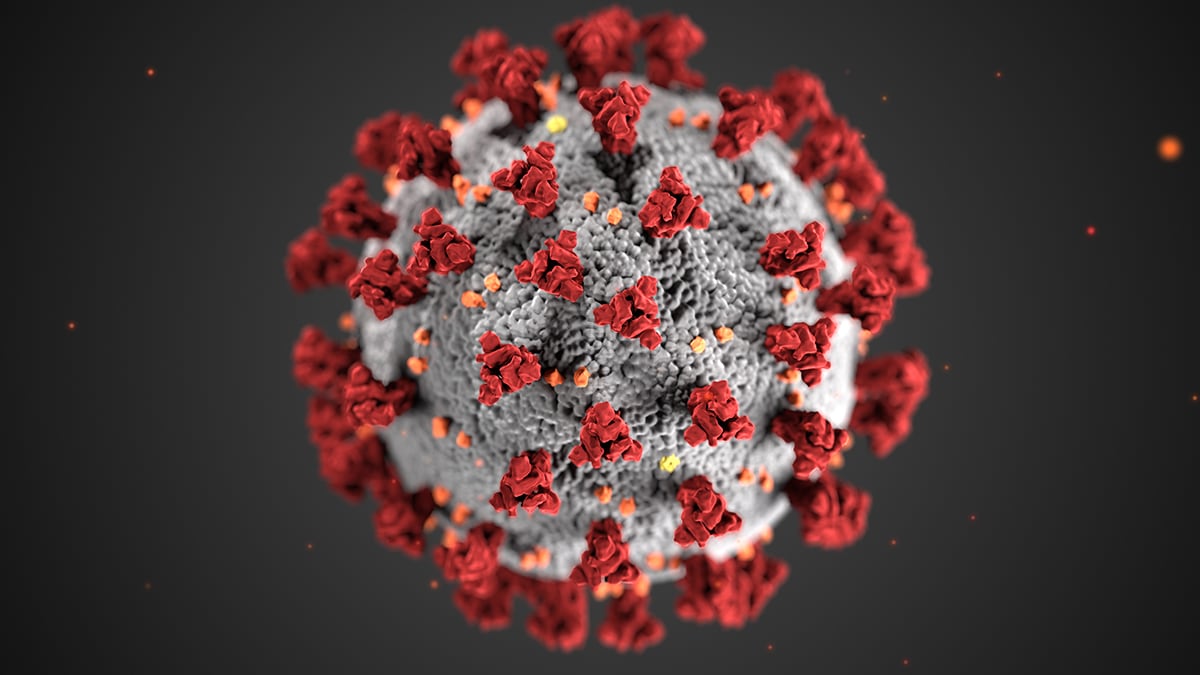 |
| Center For Disease Control. cdc.gov/covid19 |
Although all this is news that cheers, the scientists are concerned and assure that a rebound effect may be generated since it would increase GHGs in high percentages, as happened in 2008 after the financial collapse where emissions fell by 1.4% and just one year later they rose to 5.4%. Canandell recalls that world GDP and greenhouse gases are still strongly linked, this is because when presenting a financial fracture like the one that has been witnessed these days in the stock markets, when humanity recovers from the pandemic, industries and everything type of economic activity that exists in a country, in addition to more than returning to normal production, they increase to meet the demand generated during the virus crisis.
More informatión:

No hay comentarios.:
Publicar un comentario